
Breathwork vs. meditation: what's the difference and which one do you need?
I regularly practice both breathwork and meditation, and one thing I’ve learned over time is that we often talk about the two as if they were interchangeable. In reality, they’re not.
There are days when sitting quietly in meditation is exactly what I need. But there are also days when my mind is racing, my body feels restless, and asking myself to simply “be still” feels almost impossible. In those moments, working with my breath first usually makes much more sense.
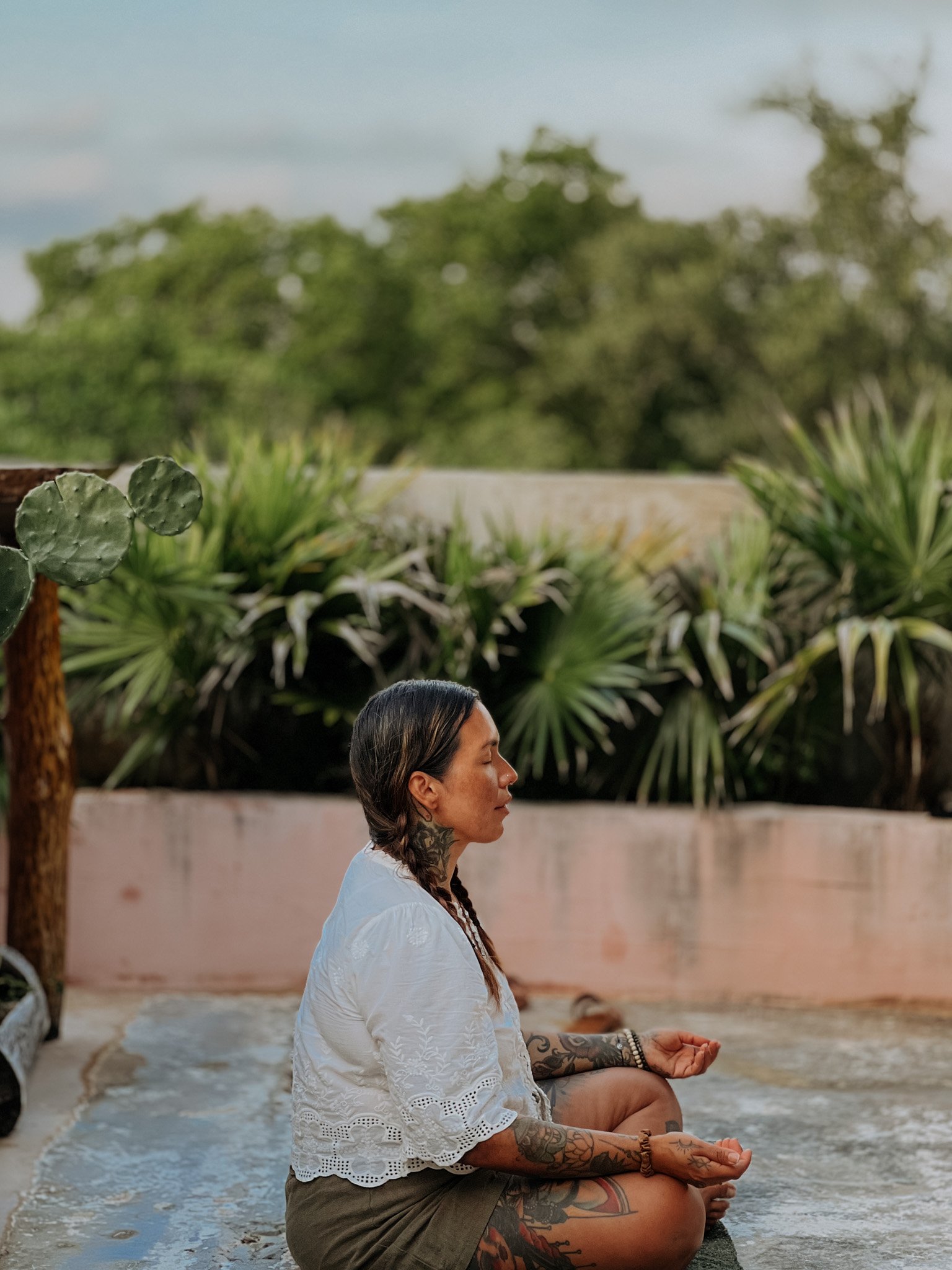
So, What’s the Difference?
Understanding that difference has completely changed the way I approach both practices.
Meditation encompasses a wide range of practices that train our attention and our ability to observe. Depending on the technique, you might focus on your breath, repeat a mantra, notice sensations in your body, or simply become aware of the thoughts that arise without feeling the need to follow them.
Breathwork is more active. Rather than simply observing how we’re breathing, we consciously change our breath through a specific rhythm, pace, or technique.
And that distinction matters.
In meditation, the breath can be something you observe. In breathwork, the breath becomes the practice itself.
Neither is more spiritual, advanced, or “better” than the other. They’re simply different tools for connecting with and navigating our inner state. That’s why I often turn to breathwork when I feel overstimulated.
I don’t necessarily have to convince my mind to calm down first. I can begin with something much more tangible: my breath.
And often, the mind begins to follow the body.
It’s also important to remember that not every breathwork technique is designed to relax us. Some practices can be much more stimulating and activating, which is why I don’t believe every technique is appropriate for every person or every moment.
Meditation Works Differently
For me, meditation is less about changing what I’m feeling and much more about changing the way I relate to it. If a thought comes up, I don’t have to solve it immediately. If an emotion arises, I can simply observe it. If my mind wanders and yes, mine does too, I can notice it and gently return to my point of focus.
And while meditation has been part of contemplative traditions for thousands of years, we now also have modern research exploring its potential benefits. Evidence around mindfulness-based interventions suggests they may support stress reduction, anxiety, depression, and different aspects of psychological well-being, although outcomes vary depending on the practice, the individual, and the context.
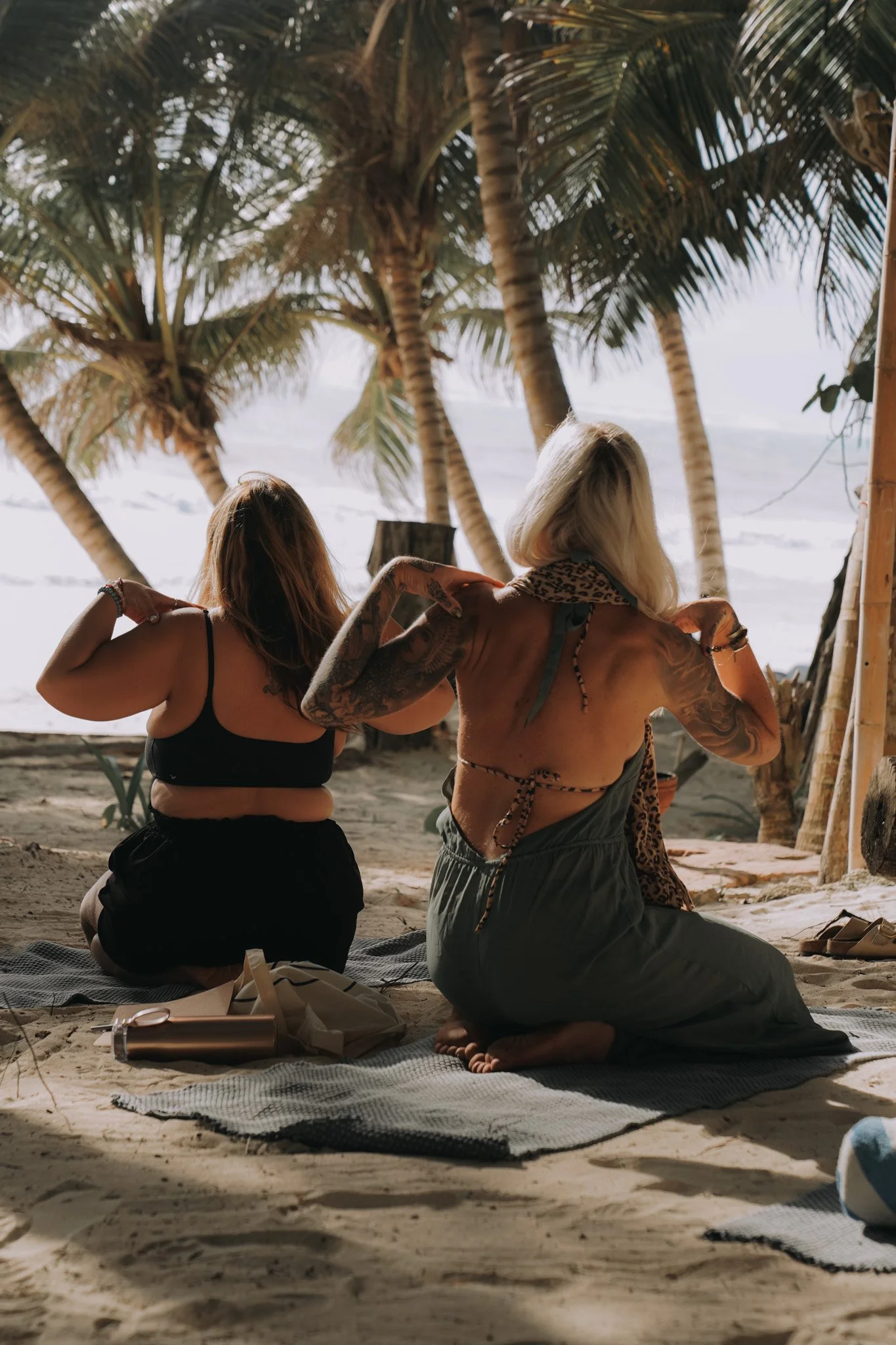
A Simple Practice to Try Today
If you’ve never practiced the two together, there’s no need to overcomplicate it.
Sit comfortably and give yourself five minutes.
For the first two minutes, breathe gently through your nose. Let your inhale feel natural, and allow your exhale to become slightly longer without forcing it or holding your breath.
Then, stop controlling your breathing. Notice where you feel the breath moving through your body. Notice when your attention wanders. And whenever it does, gently bring your awareness back to your breath.
You don’t need a completely quiet mind. You don’t need special clothes, the perfect meditation room, or thirty uninterrupted minutes.
You’re practicing something much simpler and, at the same time, deeply useful: the ability to return.
Why We Work With These Tools at Sacred Radiance
This is also one of the reasons practices like breathwork and meditation are part of the Sacred Radiance 2026 experience in Tulum.
We didn’t design this retreat around the idea of fitting in as many wellness practices as possible. For me, every tool needs to have an intention and a purpose within the experience.
Kundalini Yoga allows us to explore movement and energy. Breathwork gives us a direct tool for working with our inner state. Meditation creates space to listen. Sound healing invites us into deeper rest. Rituals and community give us opportunities to reflect, share, and connect.
But there’s another part I consider just as important: having enough time to integrate what we’re experiencing.
When we explore these tools outside the usual pace and demands of everyday life, we can begin to discover which ones genuinely work for us.
I don’t want someone to leave a retreat feeling like they need another retreat just to feel good again.
I want them to return home knowing themselves a little better and carrying practices they can actually use on a Monday morning, during a difficult conversation, in the middle of a stressful week, or while moving through a season of change.
